
March 24, 2026
Staring at a dozen Brickell condo towers and not sure which one is right for you? You are not alone. In just a few blocks, you can see wide swings in views, HOA fees, rental rules, and even financing options. This guide gives you a simple framework to compare buildings side by side, verify safety and financial health, and make a confident choice. Let’s dive in.
Brickell is Miami’s high-rise urban core, directly south of Downtown and along Biscayne Bay. It blends residential towers with restaurants, retail, and transit in a tight walkable district. You will hear a lot about Brickell City Centre, Mary Brickell Village, and the easy access to Metrorail and the free Metromover. For a quick context on the neighborhood’s location and role in Miami, review the Brickell overview.
Clarify your goal before you shop. Are you buying a primary home, a pied-à-terre, or an investment with rental income? Your answer will drive location, rental rules, amenity priorities, and financing options.
Next, define your budget including HOA fees, potential assessments, insurance, and closing costs. Brickell offers everything from efficient studios to trophy residences, so your ideal shortlist forms fastest when your use case and numbers are clear.
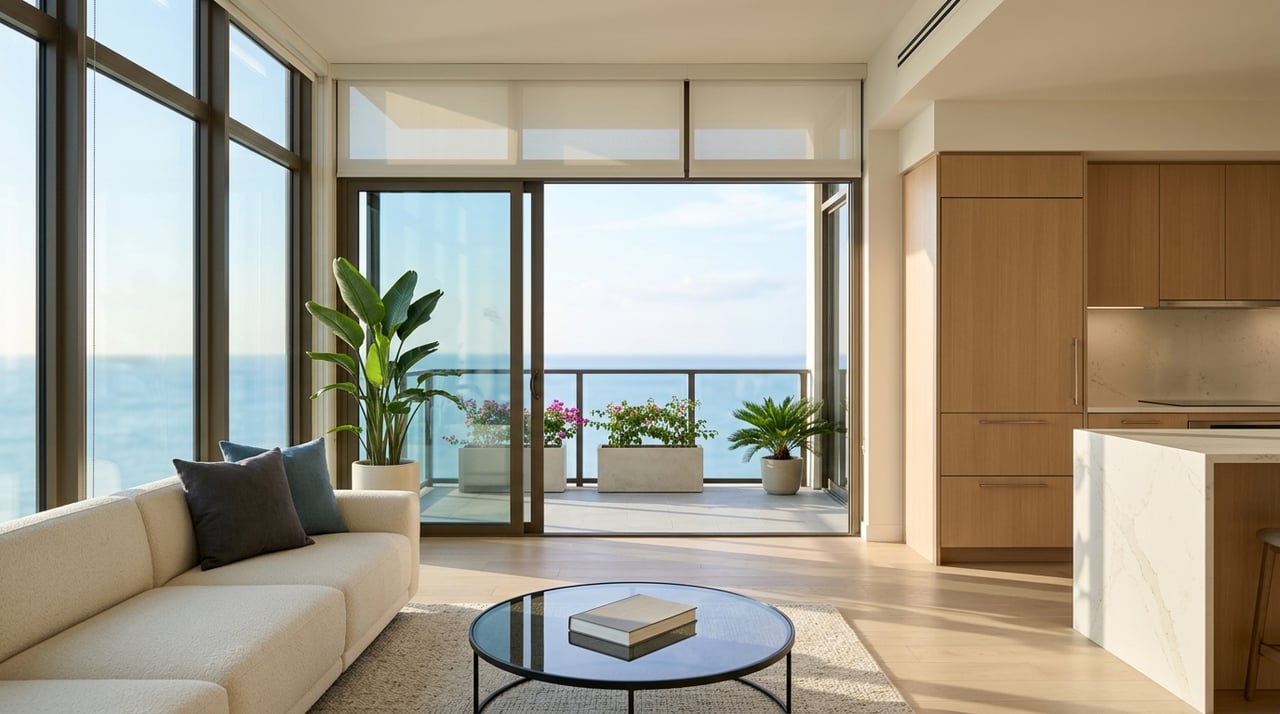
Where a tower sits in Brickell, the stack your unit is on, and which way it faces all influence value and daily comfort.
Florida’s post-Surfside reforms created strict inspection rules you should take seriously. Buildings three stories or more must complete periodic Milestone structural inspections that can trigger repair plans. Learn the basics in the state’s summary of SB 4-D Milestone Inspections.
Florida also requires Structural Integrity Reserve Studies (SIRS) for residential condo towers of three or more stories. SIRS outline the useful life and replacement costs for critical components and drive non-waivable reserve funding plans. Many associations have increased reserves or levied special assessments to comply. Review the building’s SIRS status and funding plan using this SIRS overview.
What this means for you: verify whether the tower has completed its Milestone and SIRS, whether Phase 2 findings exist, and how any required work will be funded. These items affect your total cost and future resale.
A strong amenities list is great, but the association’s balance sheet matters more. Look for a current, realistic budget, healthy reserves relative to the SIRS recommendations, and a clear track record on maintenance. Frequent or large special assessments without a transparent plan are a warning sign. Use the SIRS requirement guide as your reference point when reviewing reserves.
Insurance deserves its own review. Florida’s property insurance market has seen volatility and some signs of stabilization, but results vary by building risk profile and carrier appetite. Ask for the master policy, wind and hurricane deductibles, flood coverage details, and recent premium history. For statewide context on carrier and rate movement, see this insurance market update.
Your lender and insurer will look at the building’s FEMA flood zone, and you should too. Check your target address on the county’s official resource for Miami-Dade flood zone maps. Also review sea-level rise and storm surge scenarios using NOAA’s Sea Level Rise Viewer. These inputs affect insurance, long-term risk, and future buyer sentiment.
If you plan to finance, the building itself must qualify, not just your personal loan file. Fannie Mae and Freddie Mac have project-level rules covering owner-occupancy ratios, commercial income, litigation, assessments, and insurance adequacy. Buildings that do not meet these standards can limit your loan options and buyer pool at resale. See the agency’s criteria for ineligible condo projects.
Ask your lender to run the tower through the official database early. You can share the public tool link for quick checks using the Fannie Mae Condo Status Finder so your lender can confirm status.
Pools, gyms, co-working lounges, spa suites, and valet services improve lifestyle and marketing power, but they can increase monthly fees. Fees are not good or bad on their own. What matters is whether they fund well-maintained assets and adequate reserves. Also ask whether any amenities are operated as businesses that produce revenue for the HOA, since high non-incidental income can affect loan eligibility under Fannie Mae rules.
If you plan to rent, confirm both the association’s bylaws and city/county rules. Some Brickell towers restrict lease terms, number of leases per year, or short-term rentals. Miami-Dade and the City of Miami may require registration, a Certificate of Use, and tax remittance for vacation rentals. Use this summary guide to Miami short-term rental regulations and verify details against the HOA’s documents.
Seemingly small features can have an outsized impact on livability and resale.
Before or at contract, request these items so you can evaluate the tower with confidence:
Bring this checklist and take notes:
If you are still deciding between nearby urban neighborhoods, here is a fast orientation. Brickell is the financial district and a dense residential market with retail nodes and transit. Downtown mixes civic and cultural assets and has a wider range of building ages and uses. Edgewater trends newer along Biscayne Bay and often posts high price-per-square-foot in the luxury tier. For a deeper look at recent Greater Downtown trends and how buyers value view and floor differences, review the Greater Downtown luxury market report and the general Brickell overview.
When you want a seasoned advocate to gather documents, coordinate lender checks, and negotiate with confidence, reach out to Khosh Bosh Real Estate. Our team is based in Brickell and specializes in guiding local and international buyers through complex condo decisions with discretion and clear strategy.
Stay up to date on the latest real estate trends.
We are full service Brokerage located in the AKA Hotel Brickell and yet connected Globally. Let us guide you through your home buying and selling journey, contact us today!

KHOSH BOSH REAL ESTATE
OFFICE DIRECT LINE
(305) 967-6342
MOBILE DIRECT MOBILE
(786) 346-8282
EMAIL
[email protected]
OPEN HOURS
8am-8pm Mon-FrI
OFFICE ADDRESS
1395 BRICKELL AVE., SUITE #800
MIAMI, FL 33131